

AI4PT
Artificial Intelligence For People Transport
AI4PT is NCM’s software that integrates computer vision and artificial intelligence technologies to improve the management, safety, and quality of public transportation.
It leverages existing onboard video surveillance systems to transform images into accurate and strategic data, supporting more efficient and service-oriented decision-making.
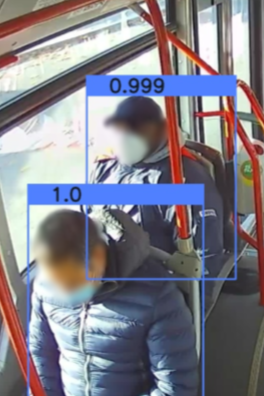
From Video to Data: AI That Understands Mobility
Images captured by video surveillance systems are processed by advanced AI algorithms, either in the cloud or on local servers, delivering highly accurate real-time data to improve public transport planning and safety, while ensuring full compliance with GDPR and NIS2 regulations.
Functionalities
-
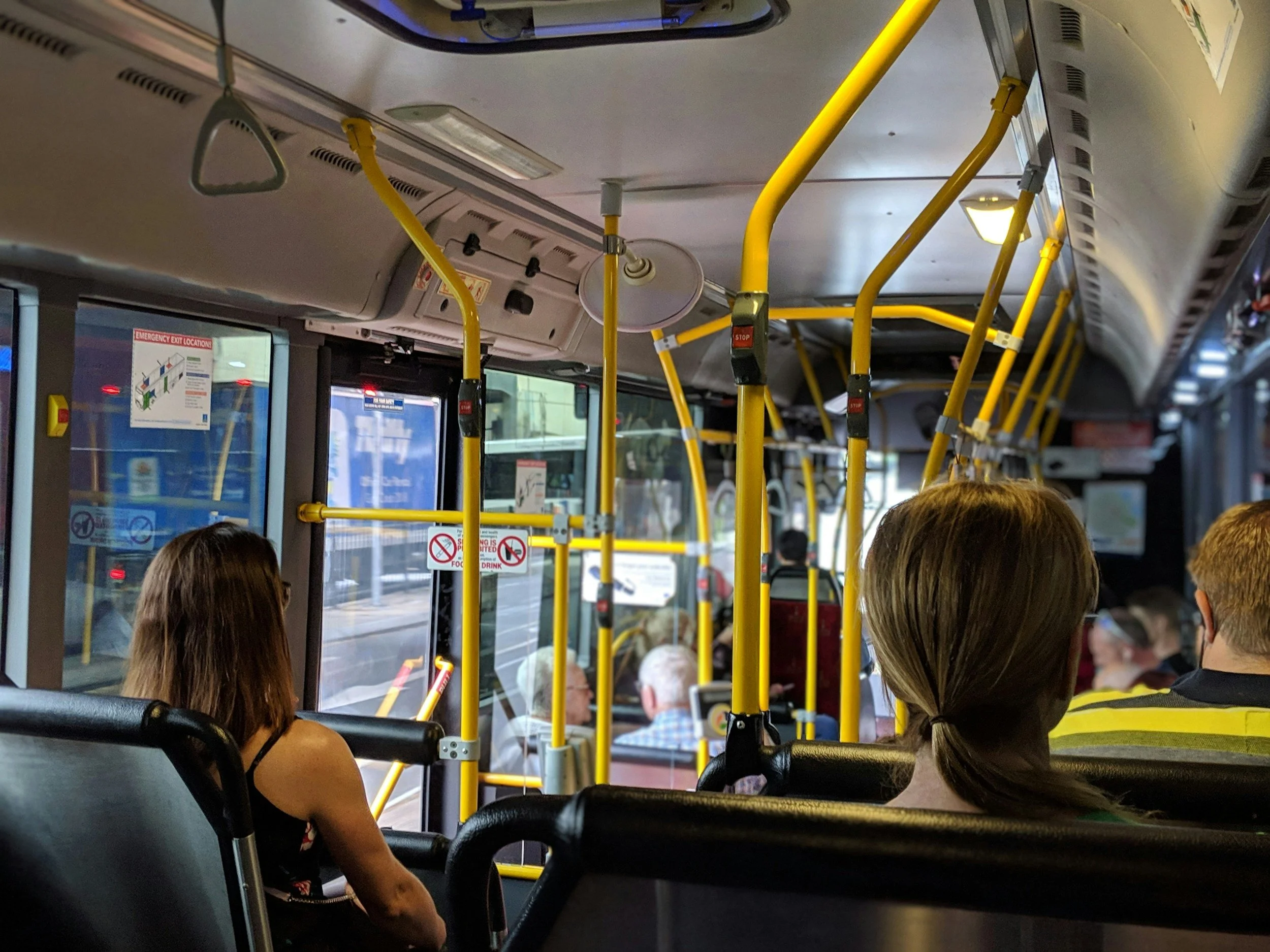
Passenger Counting
Real-time detection of the number of passengers on board, enabling continuous monitoring of passenger flows and vehicle occupancy. Identifying overcrowded segments or routes with low ridership will no longer be a challenge.
-

Boardings and Alightings at Stops
Accurately detects how many passengers board and alight at each stop, providing reliable data on service usage flows. These data enable targeted and precise actions for service planning and stop infrastructure improvements.
-
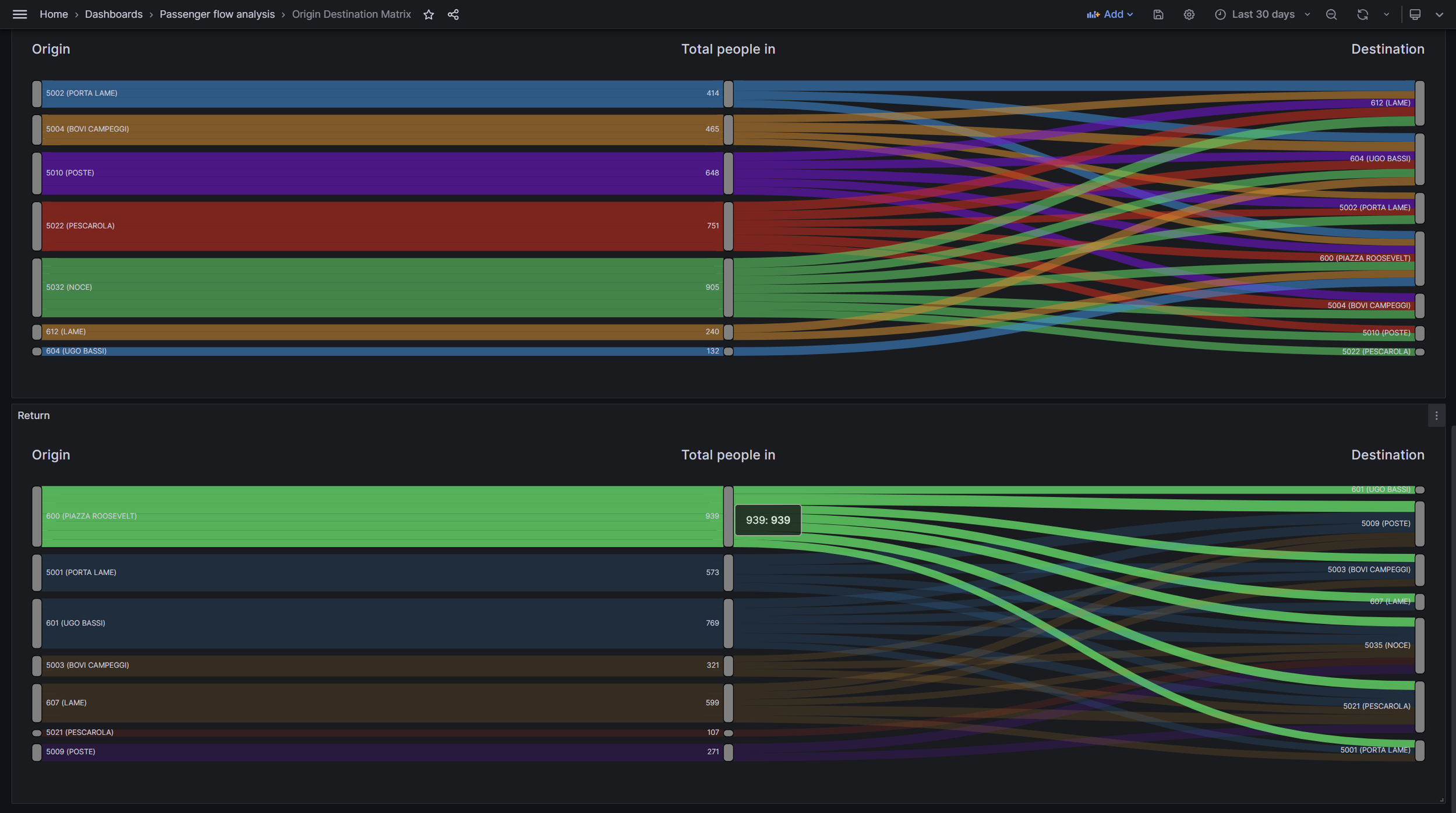
Origin–Destination Matrices
Generates detailed maps of passenger journeys by reconstructing origin–destination matrices to analyze travel flows. You can obtain detailed O–D matrices for different time slots and service types (peak hours, school periods, school holidays, public holidays, etc.), finally enabling the use of advanced planning tools based on accurate data.
-

Fare Evasion Control and Aggressive Behavior Detection
These AI4PT features detect and flag improper or aggressive passenger behaviors, helping ensure service fairness, discourage anomalous conduct, and enable targeted checks on fare evasion.
-
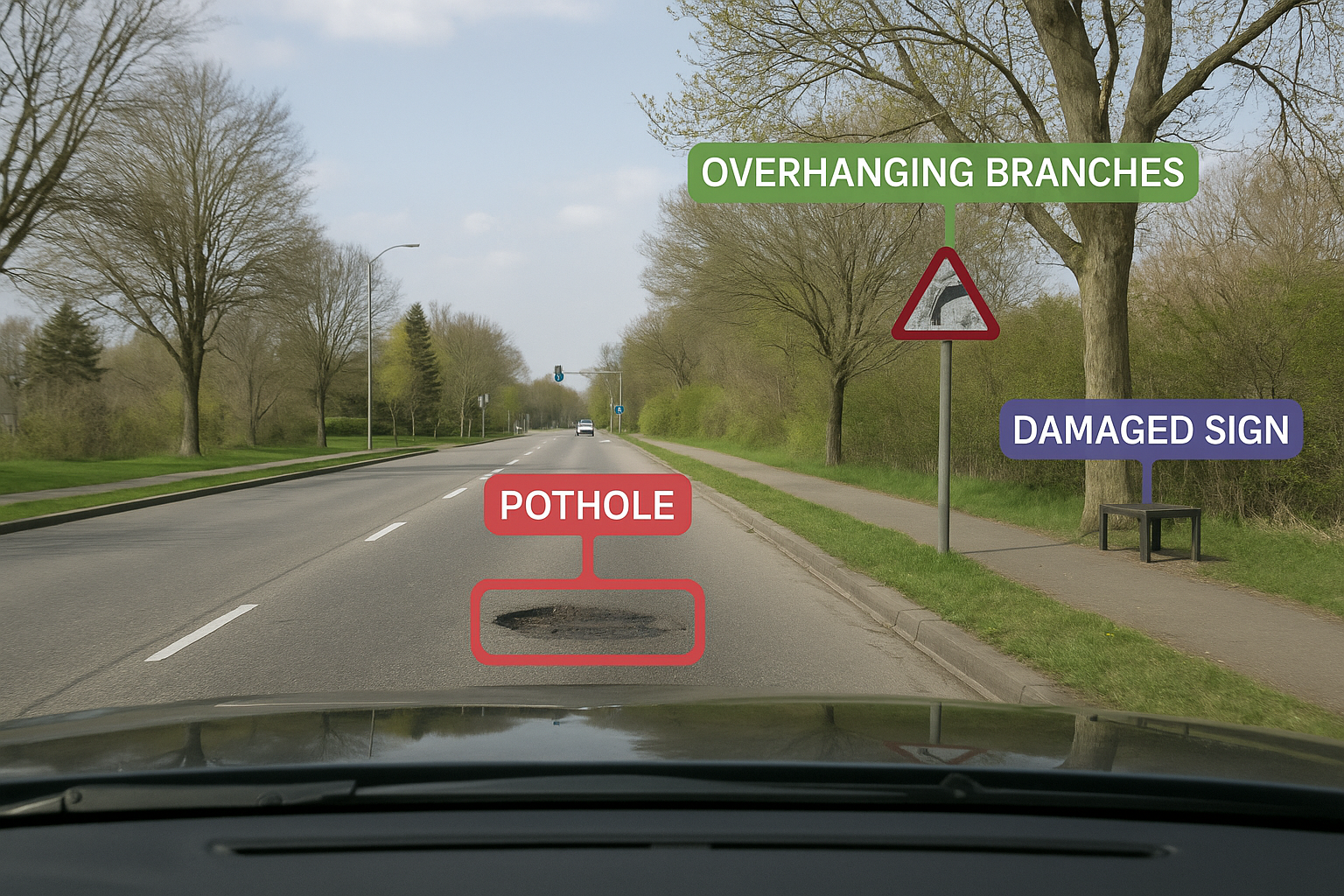
Road Condition Detection
Through the analysis of images from dashcams, it is possible to assess road conditions, including the presence of potholes in the pavement, overhanging branches, the condition of road signs, bus stops, and other infrastructure elements.
-
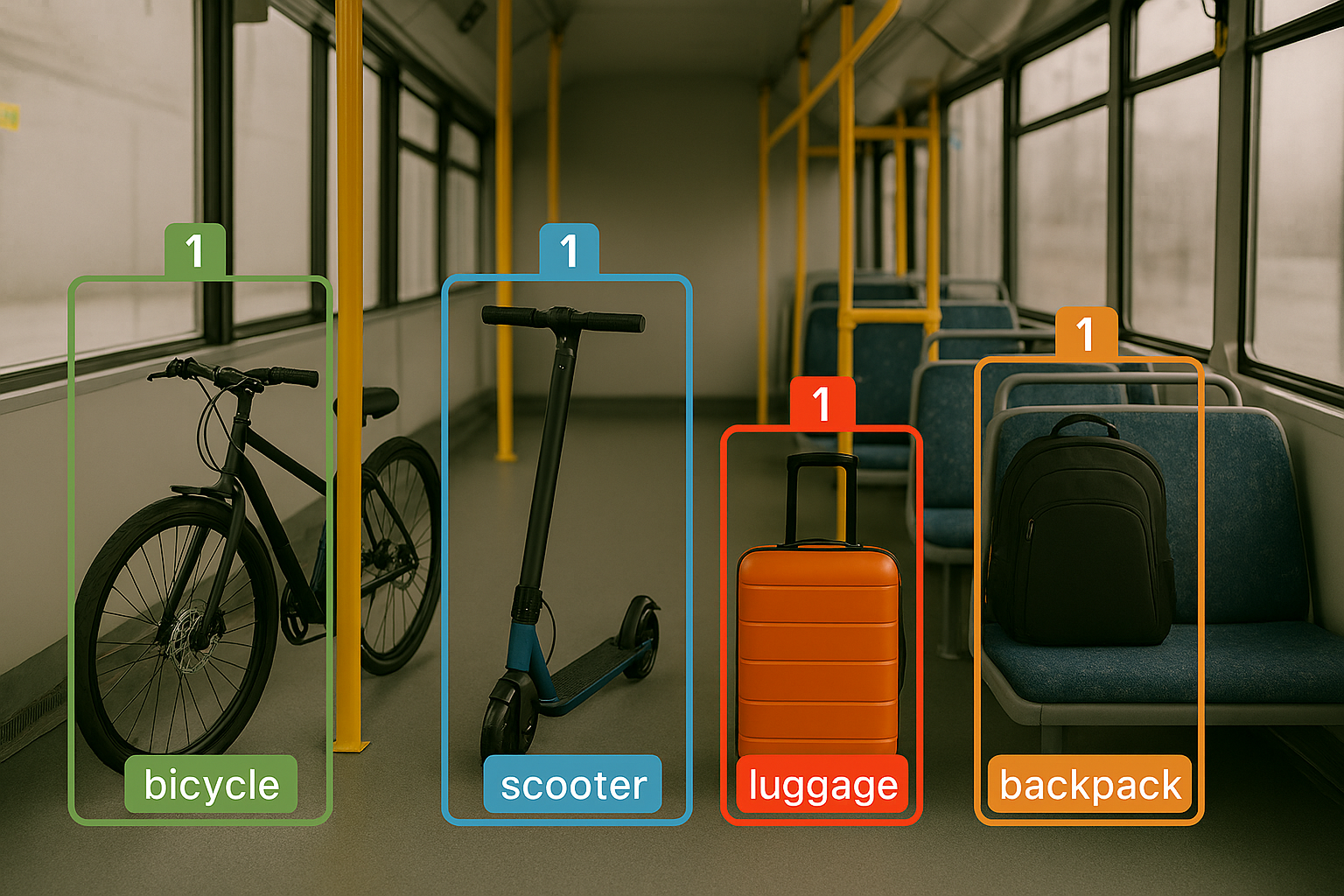
Carried Object Counting
This feature detects, classifies, and counts objects carried by passengers (such as bicycles, e-scooters, luggage, etc.), providing valuable data for analyzing service usage.
-

Seat Occupancy and Reserved Area Status
Monitoring the occupancy of available seats and reserved areas—such as spaces for wheelchairs, strollers, and similar—allows passengers at stops to be informed in real time about the availability of these spaces on board.
-
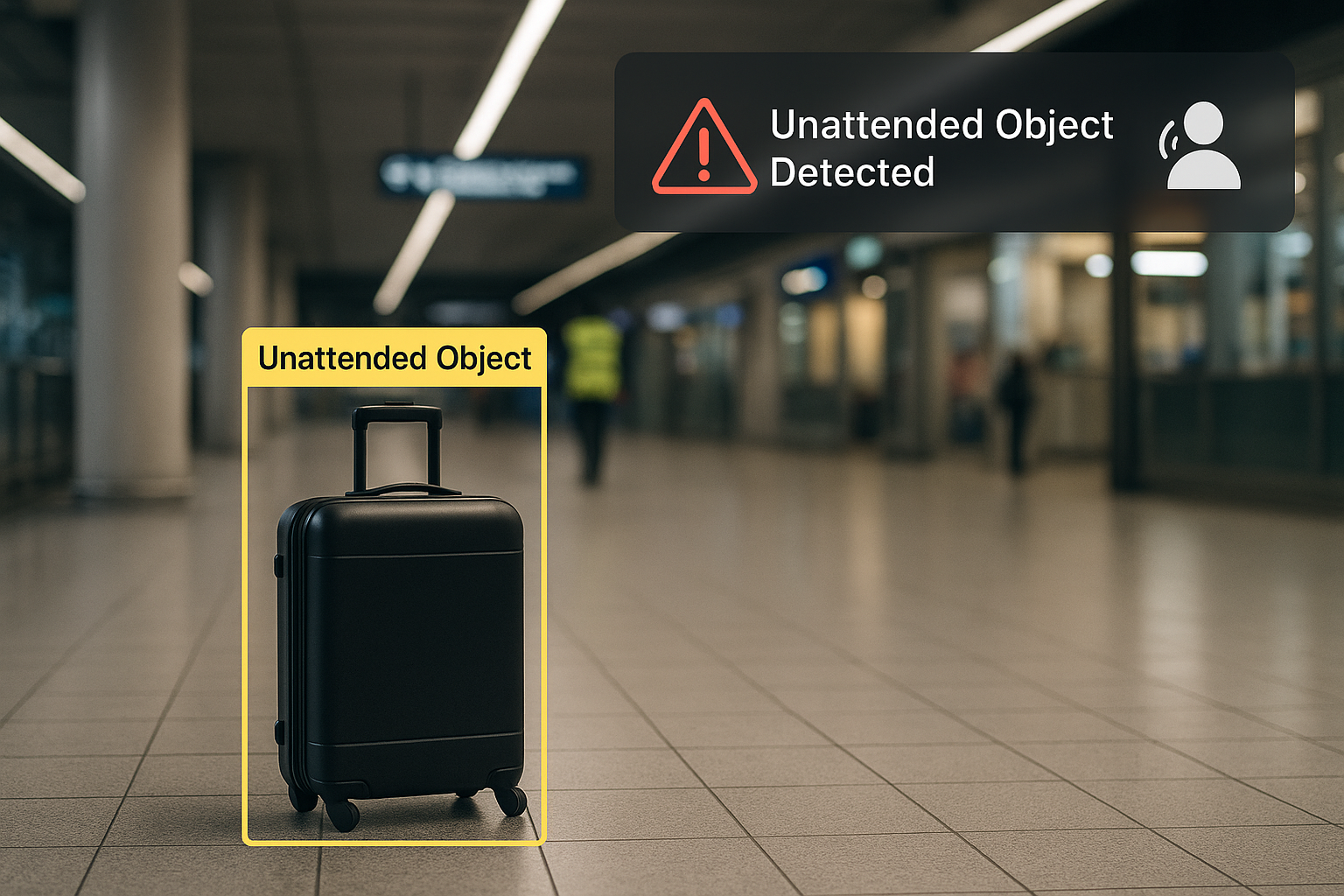
Detection of Dangerous Objects, Abandoned Items, and Dangerous Animals
This feature enables real-time monitoring and alerting of the presence of dangerous or unattended objects, as well as dangerous animals, helping to reduce potential risk situations for passengers.
-
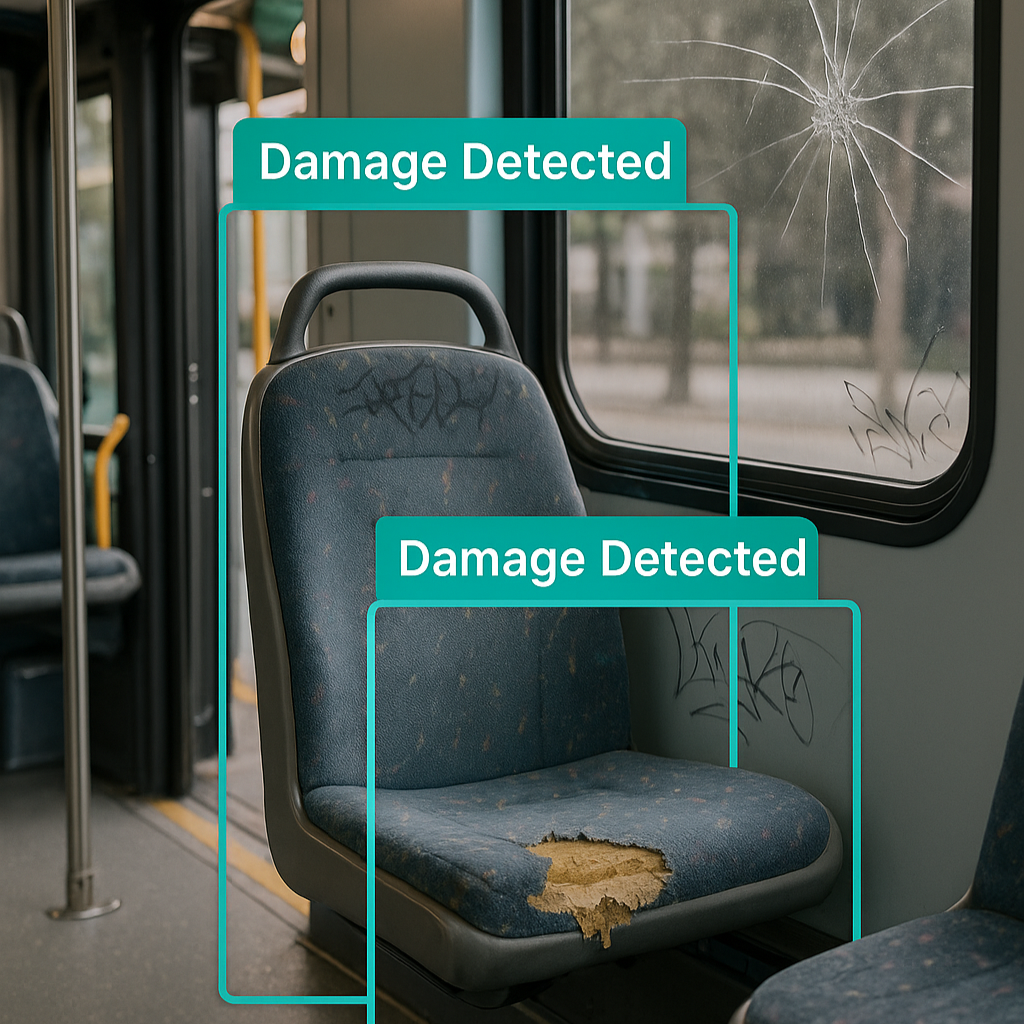
Damaged or Vandalized Fixtures – Presence of Dirt or Litter
These AI4PT features detect and report damaged or vandalized fixtures, as well as the presence of dirt or litter on board, enabling timely and targeted interventions by maintenance staff and ensuring the cleanliness and proper functioning of buses.
-
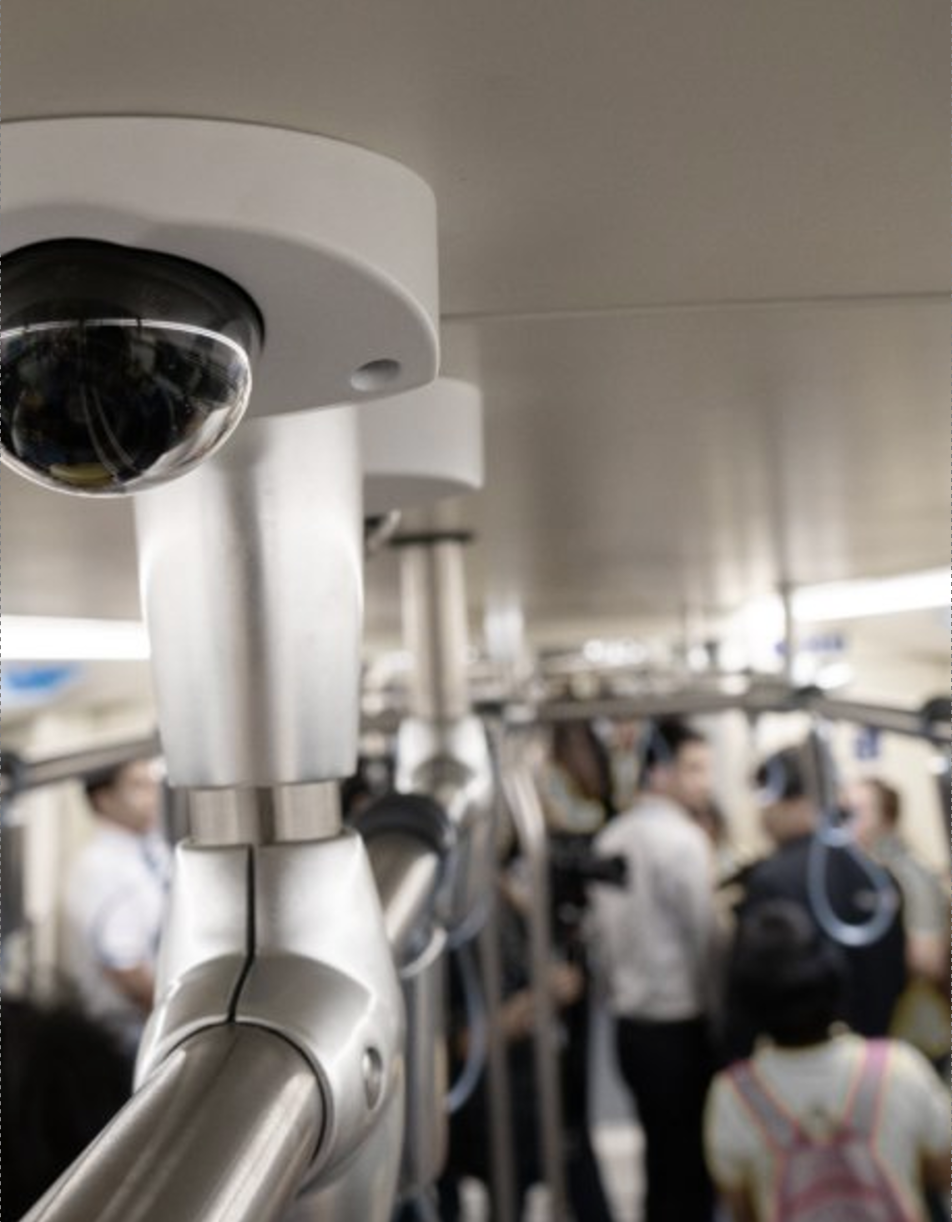
Video Surveillance System Fault Detection
This AI4PT feature monitors and manages the operational efficiency of onboard cameras and the video surveillance system, providing timely and targeted notifications to maintenance personnel in the event of malfunctions.
Data Analysis
-
From Data to Insights
Organizations and agencies have access to large amounts of data; the challenge lies in distilling the information needed for both daily operations and strategic decision-making. With NCM, it is possible to implement a Business Intelligence system capable of providing new perspectives and deeper insights into every operational context.
-
Dashboard for Service Usage Data Analysis
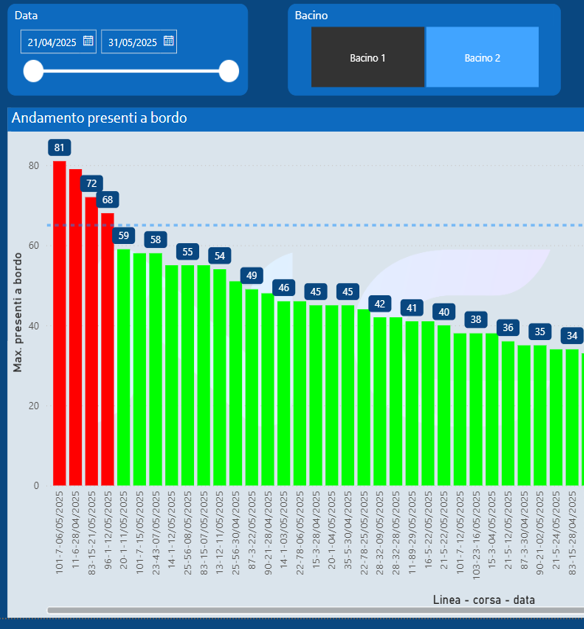
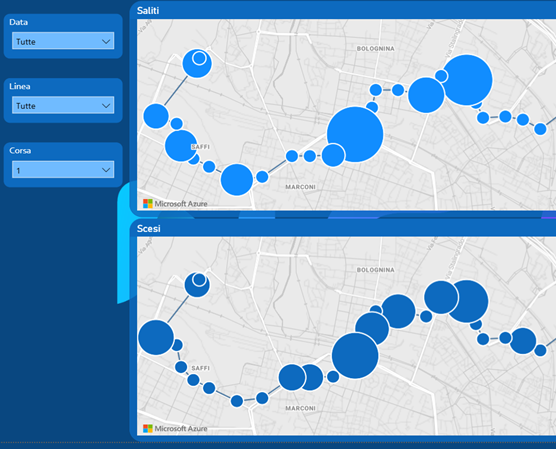
It will be possible to analyze all the data provided by the AI4PT system, obtaining detailed insights on onboard occupancy (overcrowding, underutilized routes, etc.) as well as boardings and alightings at stops. This enables targeted monitoring and interventions on services without causing disruption to passengers.
-
Origin–Destination Matrices
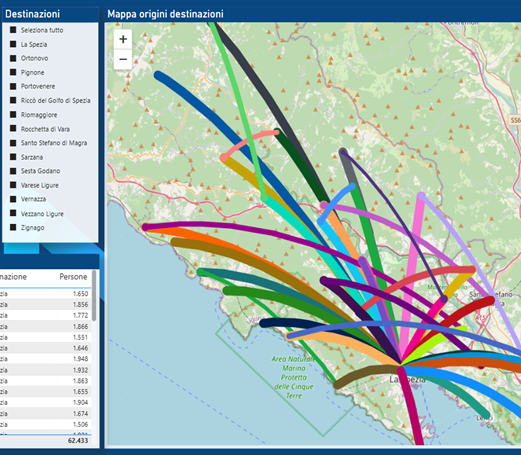
O–D matrices will no longer be just a desired but hard-to-obtain asset—forget the significant resource and financial efforts required to derive them using traditional statistical methods, and only during peak service periods. With AI4PT, O–D matrices can be generated accurately at any time of the year and for any time window required.
-
Advanced Planning Platforms
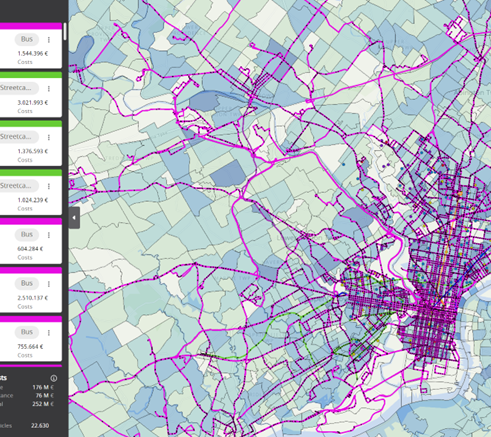
O–D matrix data can be used with advanced planning platforms such as PTV Lines, which provide simulation and assignment tools. This easy-to-use solution allows the comparison of multiple service scenarios, making it simple to adjust routes and schedules and receive immediate feedback on the performance of the changes.
-
Integration with All Service Data
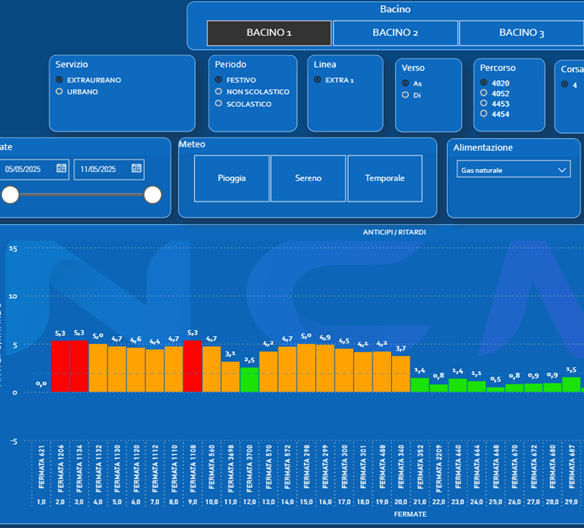
We can develop dashboards that integrate additional service-related data connected to AI4PT, such as data from the AVM system, to analyze another key aspect of service quality: adherence to travel times by evaluating run-level travel data. This makes it possible to identify whether elements such as traffic lights, roundabouts, or level crossings impact travel times and to implement appropriate adjustments with confidence—based on data with solid historical depth rather than on limited on-site observations.
-
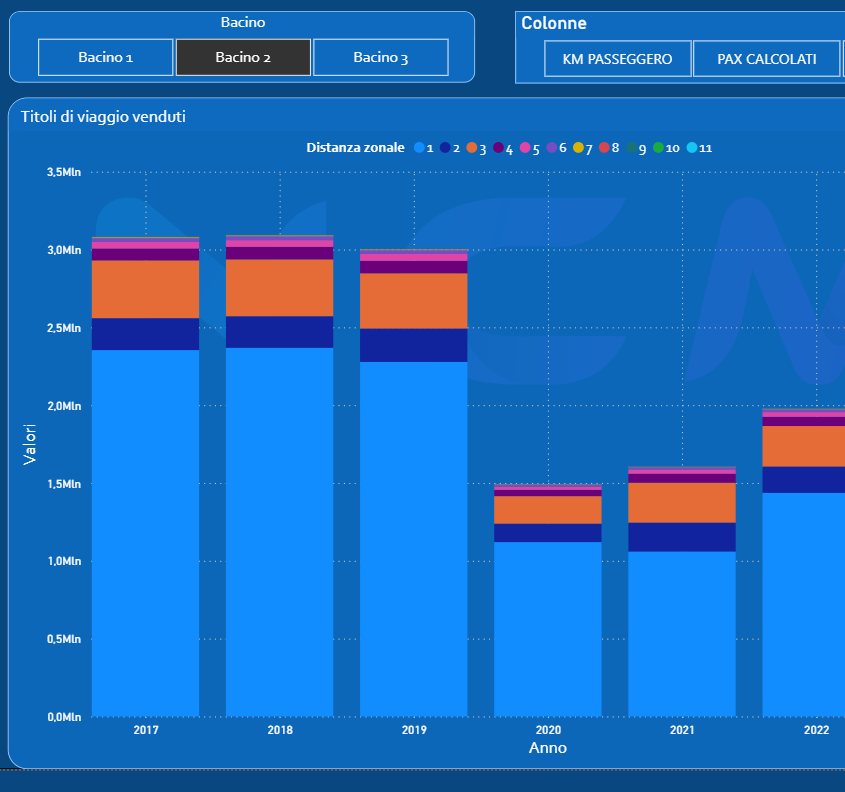
Possibility to Extend BI Across All Company Departments
NCM can provide consulting services to integrate all company data—coming from any department—into a single Business Intelligence platform. The resulting insights will be accessible and usable both at the management level and by operational staff.
How it works?

Step 1
"Dataset Preparation" is the process of collecting, cleaning, and organizing the data necessary for training a neural network. In this phase, relevant data is selected, errors or inconsistencies are eliminated, and the data is structured in a format that the neural network can effectively use to learn. This step is crucial to ensure that the final model is accurate and reliable.

Step 2
"Training the neural network" is the process where the network learns from the prepared data. During this step, the model is exposed to the training data and iteratively adjusts its internal parameters to minimize prediction errors. This occurs through optimization algorithms that compare the network's predictions with actual outcomes, enhancing the model's ability to make accurate predictions on new data.

Step 3
The "Results Analysis and Deployment" step checks neural network performance post-training. Model predictions are assessed for accuracy and reliability using metrics. If requirements are met, the model is deployed in the production environment for real data usage, improving business processes.
Frequently asked questions
-
The existing video surveillance system can be used. There are several ways to do this: connecting to the DVR either locally through a PC box or remotely. It depends on where you want to process the image.
-
Yes, it is GDPR compliant because we do not store the images, only the results of their processing.
-
Yes, it is compliant with the AI ACT because we do not store and handle any personal data of the individuals monitored by the system.
-
The system's accuracy ranges from 95% to 100%, and all measurements fall within plus or minus one person of the actual value.
-
The solution requires standard visible light cameras to record images, with a resolution of medium quality, and a PC with a processor and a graphics card of decent performance.
-
The installation process and the entire delivery cycle, from data collection to neural network training to final deployment, takes approximately 3 months on average.